Morning chai with my South Asian English students. A train to Fifth Ave for a leadership workshop with medical students from China. A chat with my Colombian neighbor who remembers the good old days.
This is a normal day in Queens, NYC. Diversity is so normal we sometimes forget how unique it is. For New York City businesses, it’s both an incredible advantage and a real challenge, because diversity doesn’t automatically create collaboration. We need people skills to work across differences and build strong, diverse teams.
Technical Skills Aren’t Enough
The businesses that thrive here aren’t simply the ones with the most talent. They are the ones that turn individual perspectives and experiences into collective strength. Leaders naturally focus on strategy, finance, and technical expertise, but can miss the foundation these must be built on: a healthy team.
Start with Communication Styles: The DISC Model
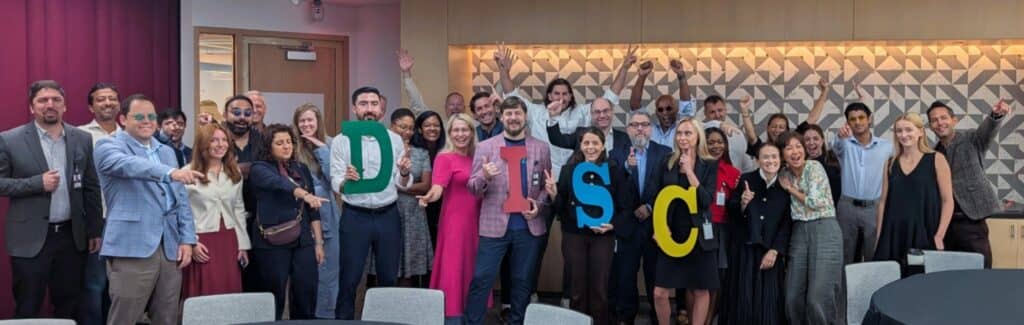
A practical first step is helping people understand how different colleagues communicate. The DISC Assessment, a behavioral model often called “the universal language of behavior,” describes four styles: Dominance, Influence, Steadiness, and Conscientiousness. Some people are direct and fast-paced. Others want to ask questions and work through details. Some focus on relationships, others on accuracy and structure.
None of these approaches are wrong. But without understanding, frustration builds. “Why are you making this so complicated?” “Why won’t you just listen?” Often what looks like a people problem is really a communication difference.
DISC offers a better question: “What does this person need from me?” The goal isn’t for everyone to communicate the same way. It’s to expand our own style to work effectively with a variety of people. Style isn’t culture, but a shared language for style gives teams a way to start talking about real differences without blame.
Build Trust and Psychological Safety
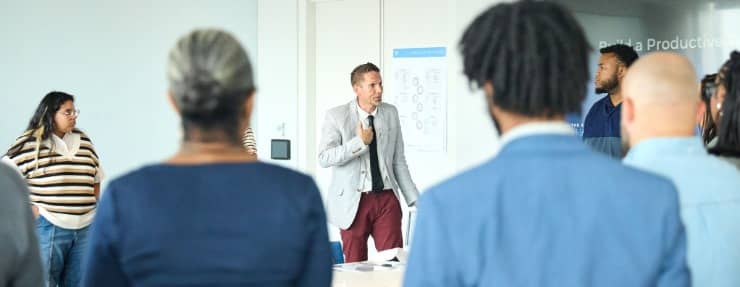
Communication skills alone aren’t enough. Teams also need trust: the freedom to ask questions, acknowledge mistakes, raise concerns, and challenge ideas. Misunderstandings are inevitable. The real question is whether your team has the skills to work through them.
Trust begins when team members feel psychologically safe enough to share honestly and engage with one another. One simple place to start is to have each person share how they work best. A short exercise, paired with DISC, on what motivates or stresses each person can turn hidden assumptions into conversations that build trust.
Learn by Doing: Interactive Team Building
I’ll say it upfront: I don’t thrive in long sessions or heavy theory. I learn best by engaging, by collaborating with a team, and applying ideas in real time.
You can talk about communication and trust all day, but eventually your team needs to apply it with their colleagues. Teamwork isn’t something you grasp from a distance; it’s something you build together.
Maybe that’s one of the things Queens teaches best. Our differences don’t have to divide us. They can make us stronger when we learn to understand each other. The same is true at work.
At Team Verve, I facilitate interactive team-building and leadership workshops for businesses in Queens and across New York City, that help your team master people skills while driving performance. Technical skills help us do our jobs. People skills help us do them together.